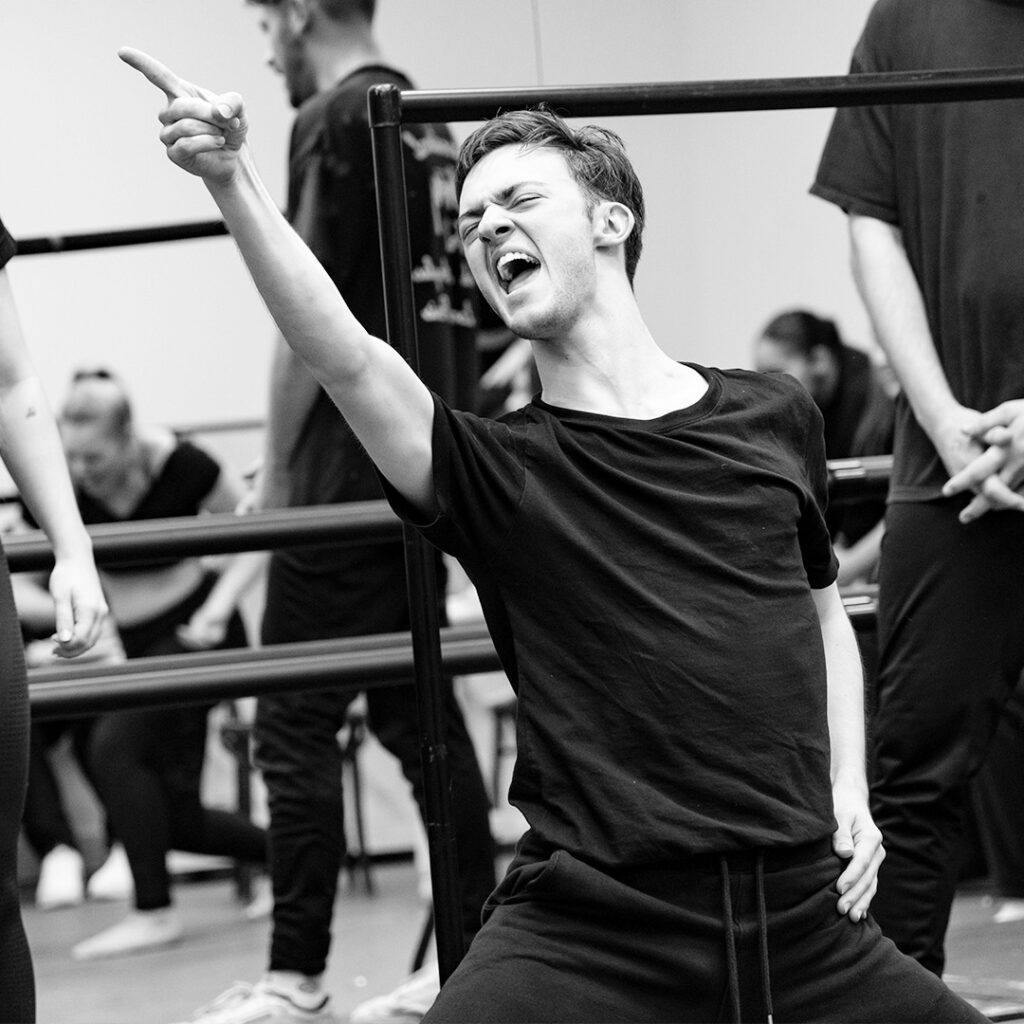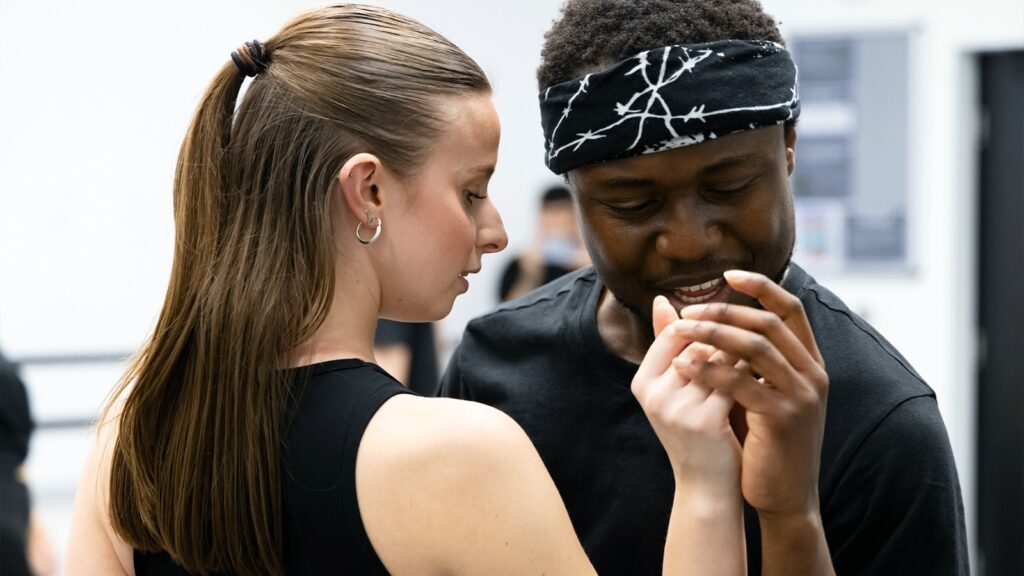





Dancing is physically demanding, and understanding dance injury prevention is essential for students at every level. Whether you’re training for fun or preparing for a big performance, safe dance practice ensures you can perform at your best, build strength, and enjoy a long, sustainable dance journey.
Warm-Up and Cool-Down
Effective warm-ups prepare your muscles, joints, and cardiovascular system for movement.
Start with gentle mobility exercises for ankles, hips, and shoulders, then move into dynamic stretches that mimic dance movements. Warming up increases blood flow, improves flexibility, and reduces the risk of strains.
Equally important is a structured cool-down after class or rehearsal. Static stretches and light movement help your muscles recover, reduce stiffness, and support long-term joint health.
Warm-Up Checklist:
A good warm-up is the first line of defence against dance injury. Use this checklist to ensure you’re fully prepared before class, rehearsal, or performance:
1. General Mobility: Start with gentle joint rotations for ankles, knees, hips, shoulders, and wrists to loosen stiff areas.
2. Cardiovascular Activation: Light jogging, skipping, or dynamic jumping jacks raise your heart rate and increase blood flow to muscles.
3. Dynamic Stretching: Move through leg swings, arm circles, lunges, and gentle twists to lengthen muscles without overstretching.
4. Technique-Specific Exercises: Practice basic steps or combinations at a slower pace to reinforce alignment, coordination, and balance.
5. Core Engagement: Activate your abdominal and back muscles with planks, roll-ups, or Pilates-inspired exercises to protect your spine during jumps and turns.
6. Mental Preparation: Take a moment to focus, breathe deeply, and visualise your movements. Connecting mind and body helps prevent mistakes and enhances performance.
Load Management
Overtraining is a common cause of dance injury. Balance your schedule to allow adequate rest between classes, rehearsals, and performances.
Listen to your body; some niggles after practice are normal, but persistent soreness or fatigue is a signal to reduce intensity or take a recovery day. Only you can understand what your body is feeling, so make sure you tune into every ache and pain.
Keeping a training journal can help track workload, monitor fatigue, and identify patterns that may lead to injury before they escalate.
Pointe and Readiness Checks
For ballet students, especially those preparing for pointe work, readiness checks are essential. Strengthen ankles, calves, and core before starting pointe training, and ensure proper alignment during exercises.
Working with a teacher or physiotherapist can help assess technique and readiness, reducing the risk of sprains, stress fractures, or chronic pain. Safety and gradual progression are always more important than advancing too quickly.
Recovery and Self-Care
Recovery routines are as critical as training itself. Ice, compression, or gentle massage can alleviate minor soreness, while rest days allow muscles and connective tissue to rebuild. Nutrition, hydration, and quality sleep all support physical recovery.
Mindful practices such as yoga or Pilates can also be a low-impact way to improve flexibility, balance, and body awareness, complementing your dance training and reducing injury risk.
Injury Awareness and Professional Support
Knowing the signs of potential injuries and seeking prompt professional advice can prevent minor issues from becoming major setbacks. Develop a good relationship with your dance instructors, physiotherapists, or sports medicine professionals. Don’t ignore pain or unusual discomfort; early intervention is key to maintaining longevity in dance.
Building Lifelong Healthy Habits
Developing a mindful approach to your body and training transforms the way you dance. When you listen to your limits, respect recovery, and approach each class with focus, you not only reduce the risk of dance injury but also gain greater control, strength, and awareness. Safe habits become second nature, allowing you to explore more challenging choreography, perform with confidence, and enjoy your journey as a dancer for years to come.