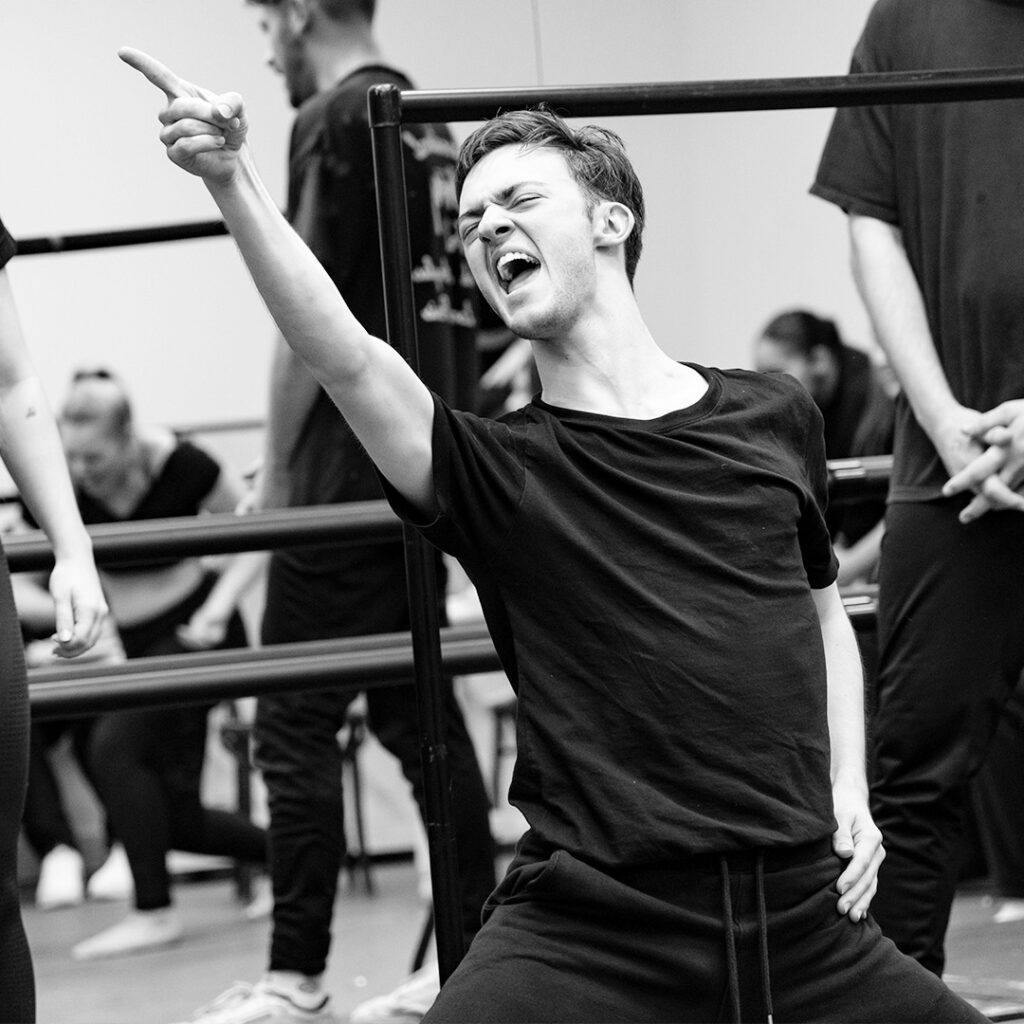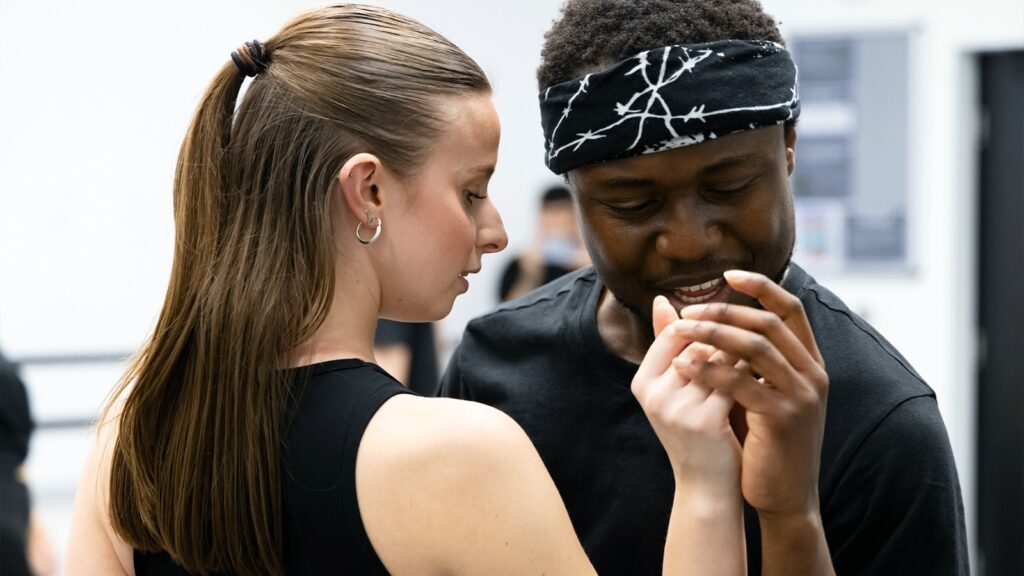





Improvisation in drama is more than making things up on the spot. It’s the discipline of reacting truthfully, listening deeply, and responding to the unexpected with clarity and confidence. Whether on stage or screen, performers will encounter moments where the script shifts; a scene partner surprises them, or live audience energy alters the pace of performance. In these moments, improvisation is what allows actors to stay grounded, present, and real.
Improvisation in drama trains actors to trust their instincts. When used in rehearsal and training, improv develops quick thinking, emotional availability, and creative flexibility, all essential qualities of a dynamic, modern performer.
Why Improvisation Matters for Performers
Improvisation builds confidence, not just in performance ability but in artistic identity. It teaches actors to:
- Listen actively rather than simply waiting for their cue
- Respond honestly instead of performing rehearsed reactions
- Stay present in the moment, even if the moment is unpredictable
- Connect richly to scene partners and ensemble energy
This creates performances that feel real rather than rehearsed.
For screen actors, improvisation helps soften the edges of memorised dialogue, making conversations on camera feel natural.
For musical theatre performers, it allows emotional beats between songs to flow organically.
For live theatre actors, it provides tools to handle the unexpected with grace and even humour.
Techniques Used in Improvisation Training
In professional drama training, improvisation is structured and purposeful, guided by exercises designed to expand creativity and deepen awareness. Common methods include:
- Status Play: exploring power dynamics to shape character relationships
- Yes, and…: building narrative momentum through agreement and development
- Objective-Based Improv: making choices driven by a character’s wants and intentions
- Physical Improvisation: using movement and spatial awareness to inform emotional direction
These techniques lay the groundwork for truthful performance, helping actors step into characters more fully and respond with authenticity.
Improvisation Under Pressure
Performance environments can be high-pressure. Auditions, first rehearsals, cold reads, and on-set adjustments. But improv prepares actors to thrive in these moments rather than freeze.
An actor trained in improvisation can:
- Adapt quickly if a director changes direction mid-scene
- Maintain character even if something unexpected happens
- Think creatively when given limited preparation time
It gives performers the confidence to say, “I can handle whatever comes next.”
The Italia Conti Approach
At Italia Conti, improvisation is woven throughout our acting and 音乐剧训练. Students work with tutors who not only teach techniques but also actively create environments where risk-taking is encouraged. Scenes are explored from multiple angles, allowing students to try, test, and stretch their instincts.
This builds actors who are not just capable but compelling.
Students of Italia Conti courses leave with the skill to:
- Create truthful emotional responses
- Collaborate generously
- Carry confidence into auditions and professional rehearsal rooms
These are the qualities that make memorable performers.
Improvisation in drama is not about learning to be clever; it’s about learning to be real, responsive, and calm under pressure. For actors who want to tell stories that resonate, improvisation is an essential skill to master.