




Drama school auditions can feel difficult to predict. You can prepare your monologues, practise your songs or choreography, and research the course, but how do you know what the panel actually wants to see?
The answer is rarely a completely polished performer.
Drama school exists to train you, so panels are also looking for potential: how you respond to direction, how you communicate, the choices you make, and whether you’re ready to engage fully with professional training.
Understanding this can take some of the pressure out of the audition and help you focus on what really matters.
Preparation That Gives You Freedom
Preparation matters, but being well prepared doesn’t mean deciding exactly how every second of your audition will happen.
Actors should know their text thoroughly enough to remain present rather than concentrating on remembering the next line. Musical theatre applicants need to understand both the technical and storytelling demands of their material, while dancers should arrive physically prepared and familiar with any requirements provided beforehand.
Good preparation gives you freedom. If the panel asks you to try something differently, you should know your material well enough to change your approach without losing confidence.
Your Potential Matters
One of the biggest misconceptions about drama school auditions is that you need to demonstrate professional-level ability before you’ve even started training.
Panels understand that applicants are still developing. While technical ability matters, they may also be considering your creative instincts, curiosity, individuality, and capacity to grow.
Trying too hard to present what you think a drama school student “should” look or sound like can sometimes hide the qualities that make you interesting as a performer. Make clear choices, but allow your own personality and perspective to come through.
Can You Take Direction?
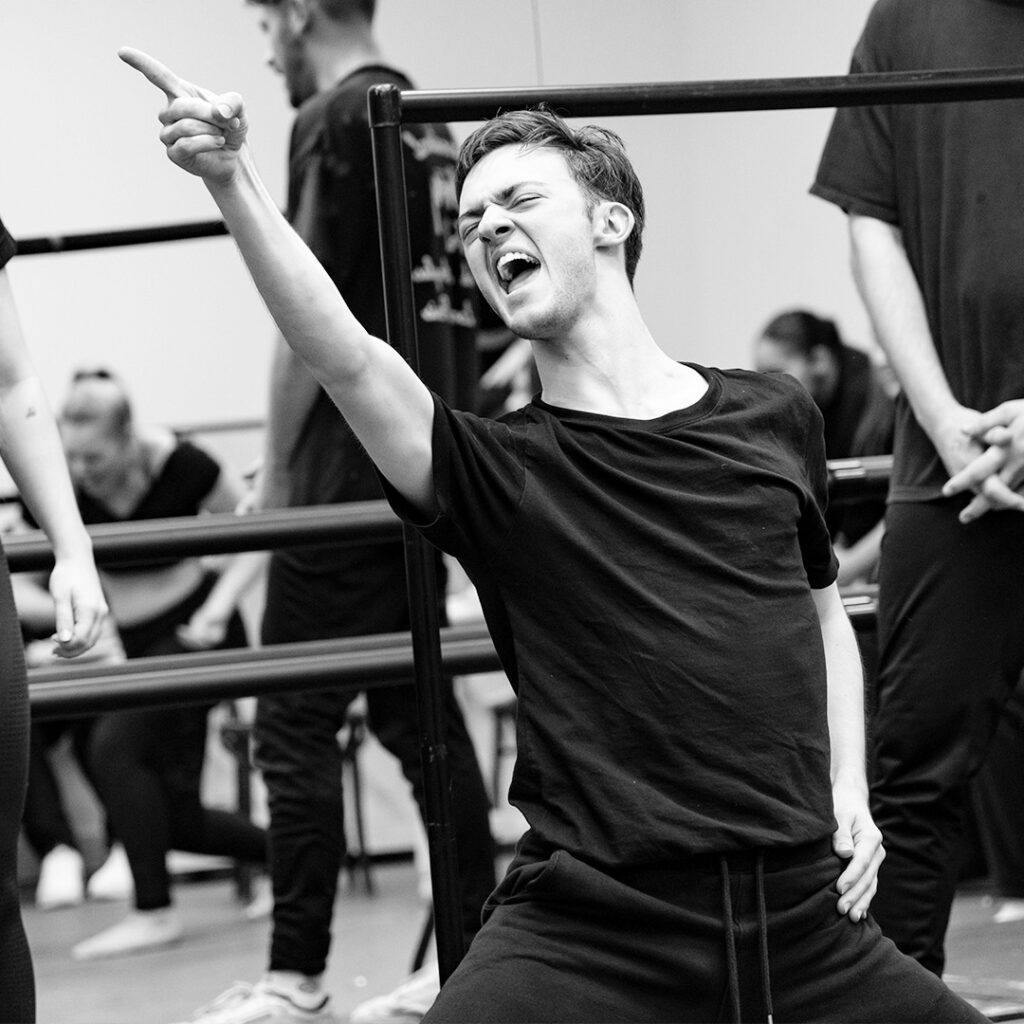
You may be asked to repeat a monologue, song, scene, or movement with a different intention. This isn’t necessarily because your first attempt was wrong.
Being redirected allows the panel to see how you work. Can you listen carefully, process a note, and genuinely try something different? Are you willing to experiment, even when the result isn’t guaranteed?
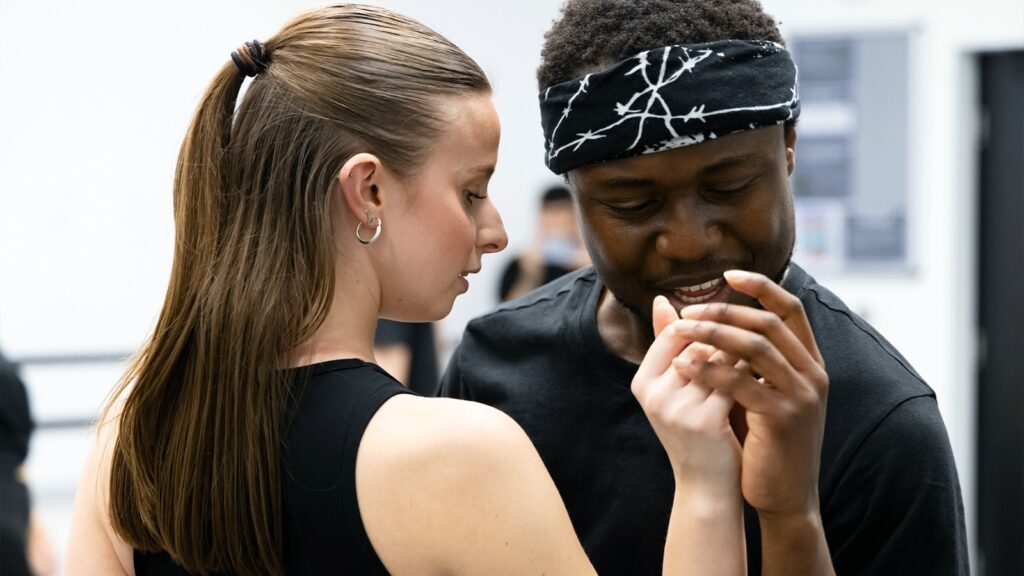
Professional performers spend their careers responding to directors, choreographers, musical directors, and other creatives. Showing that you’re adaptable and open to collaboration can therefore be just as important as your initial performance.
Professionalism Starts at the Audition
Your audition isn’t only the few minutes you’re performing. How you approach the entire experience matters.
Arriving on time, following the instructions you’ve been given, listening when other people are speaking, and treating staff and fellow applicants respectfully all demonstrate maturity and professionalism.
This doesn’t mean you need to become overly formal. Panels want to meet you, not an audition persona. Being engaged, prepared, and respectful is enough.
How Competitive Are Drama School Auditions?
Leading drama schools can receive large numbers of applications for relatively limited places, so competition is naturally high. However, acceptance rates aren’t particularly useful when you’re standing in an audition room.
You can’t control how many people apply or what qualities the panel sees in other candidates. You can control how thoroughly you prepare and how openly you approach the experience.
Rather than becoming distracted by statistics, concentrate on giving the panel the clearest possible sense of the performer you are and the performer you could become with further training.
Stage Presence Makes a Difference
Stage presence isn’t simply about being the loudest, most energetic, or most confident person in the room. Often, it’s about focus: being fully engaged with what you’re doing and giving the audience somewhere to place their attention.
Panels may notice how comfortably you occupy the space, whether your choices have intention, how you connect with your material, and whether you remain present when you’re not speaking.
These qualities can continue to develop throughout your training. Italia Conti’s guide to 5 Simple Tips to Level Up Your Stage Presence explores some practical ways performers can strengthen their presence.
Prepare for Your Italia Conti Audition
Italia Conti’s Audition Ready courses are designed to help aspiring performers understand the audition process and develop the skills needed to approach it with greater confidence.
Audition Ready: Musical Theatre, Audition Ready: Acting, and Audition Ready: Dance provide focused preparation for students considering professional training and can help you become more comfortable performing material, responding to feedback, and working under audition conditions.
If you’re preparing to apply to Italia Conti, take time to explore the specific admissions and audition guidance for your chosen Acting, Musical Theatre, or Dance course, as requirements vary between programmes.
Ultimately, successful drama school auditions aren’t about showing that you have nothing left to learn. They are your opportunity to demonstrate your current ability, your individuality, and, crucially, your potential to develop through professional training.