




Choosing to return to ballet or musical theatre after time away can feel surprisingly daunting. You may remember what your body used to be capable of, but strength, flexibility, stamina, and confidence don’t always return at the same pace.
Time away from training is completely normal. Performers take breaks because of university, work, injury, family commitments, or simply because their priorities change. The important thing is not to expect yourself to immediately perform at the level you reached before your break.
A successful return is about rebuilding gradually, listening to your body, and rediscovering the enjoyment of training.
Don’t Start Where You Left Off
Muscle memory can make familiar exercises feel reassuringly natural, but that doesn’t mean your body is immediately ready for the same intensity.
If you return to ballet, for example, you may remember combinations and positions while finding that your turnout, ankle strength, balance, or stamina have changed. Similarly, returning to musical theatre can quickly reveal how demanding it is to combine singing, acting, movement, and choreography.
Permit yourself to work at your current level. Technique can be rebuilt, but trying to rush the process may simply make your return more difficult.
Rebuild Strength Before Chasing Flexibility
After time away, it’s tempting to concentrate on regaining flexibility. However, strength and control are just as important.
For dancers, rebuilding might involve gradually working on core stability, foot and ankle strength, balance, alignment, and controlled turnout. Rather than forcing your previous range of movement, focus on being able to support the movement safely.
Musical theatre performers should think about overall conditioning too. Singing while moving requires considerable stamina, so cardiovascular fitness, breath control, and general strength can all help prepare you for longer combinations and rehearsals.
Give Your Voice Time Too
Returning to musical theatre isn’t purely a physical process. If you haven’t sung regularly, your voice also needs time to readjust.
Gentle vocal warm-ups, breath exercises, articulation work, and gradually increasing the duration of your singing practice can help you rebuild confidence. Avoid immediately pushing for your previous range or volume.
As with physical training, consistency will usually achieve more than occasional intensive sessions.
Rediscover Performance, Not Just Technique
Technique matters, but it isn’t the only thing worth rebuilding.
Returning to ballet or musical means rediscovering musicality, expression, and the feeling of moving through space with intention. In musical theatre, it means reconnecting acting, singing, and movement so that you’re telling a story rather than simply executing choreography or hitting the right notes.
Giving yourself room to enjoy performing again can make the process feel much less like catching up.
Structured Training Can Help You Return
If you’ve been away for a while, having a clear structure can make returning to training much easier. Rather than deciding independently how hard to push or which areas to prioritise, a dedicated course gives you the opportunity to rebuild within a focused training environment.
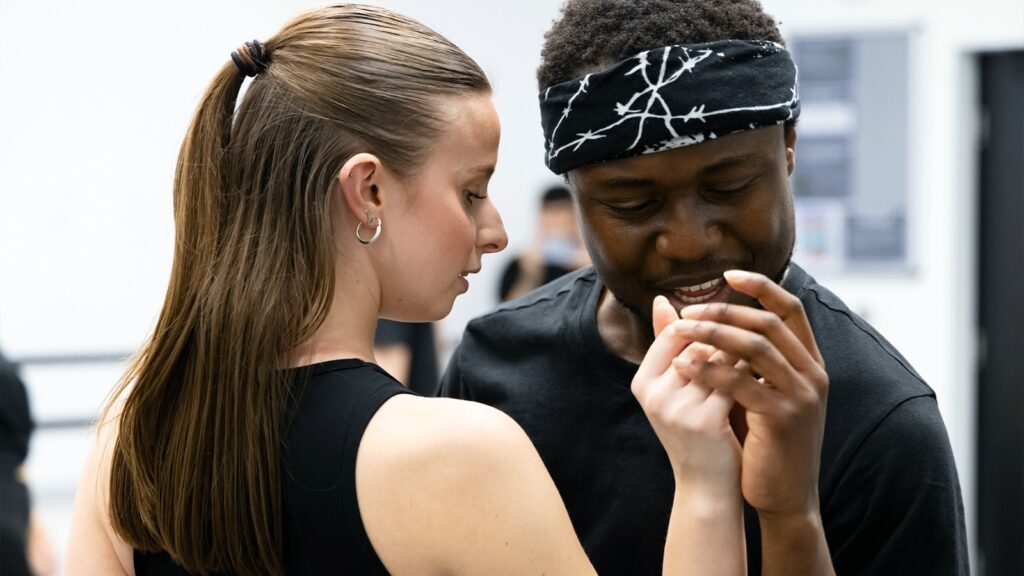
D'Italia Conti Retour au ballet course is designed for performers returning to ballet training, with sessions covering areas such as ballet technique, conditioning, stretching and flexibility, pointe, repertoire, virtuosity, and pas de deux.
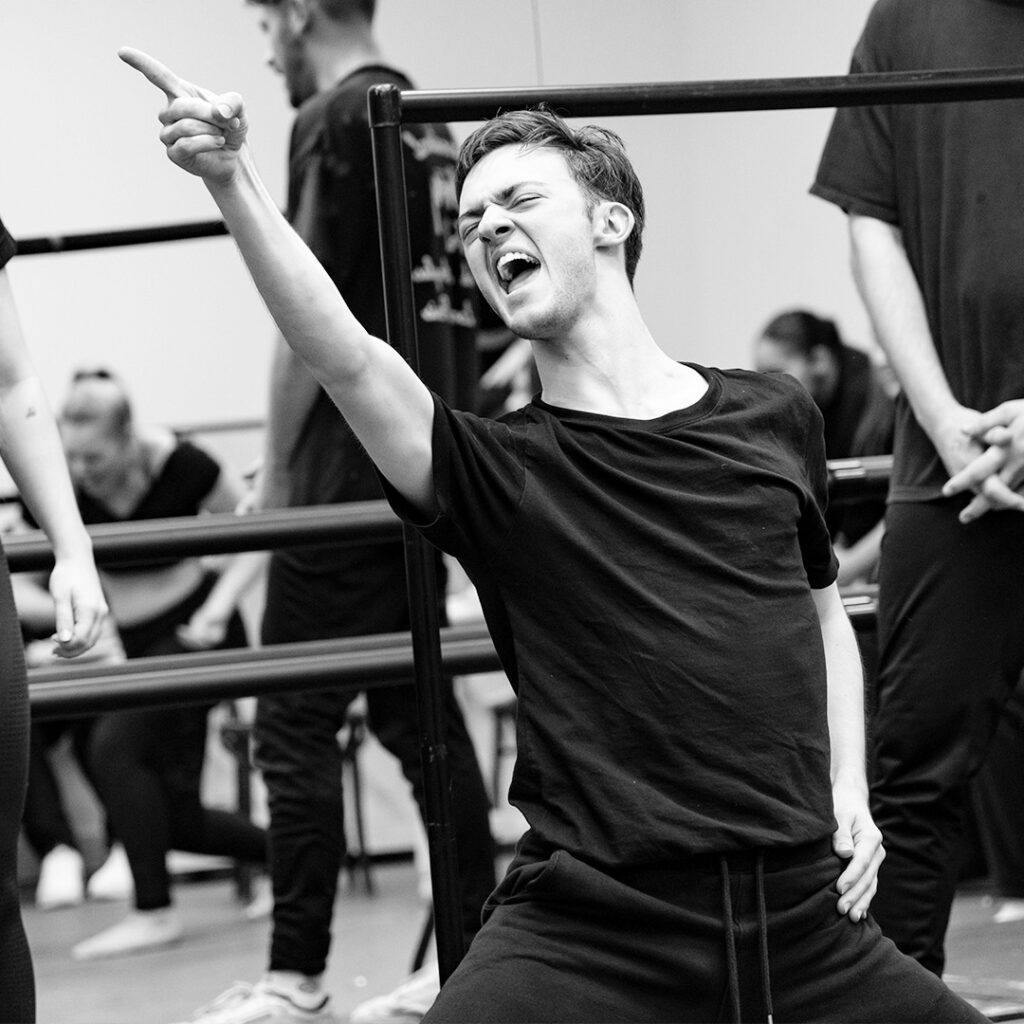
For those returning to musical theatre, Retour 2 Musical Theatre provides focused training across the disciplines involved in musical theatre performance, including acting, singing, dance technique, fitness and body conditioning, and performance-based workshops.
Both provide an opportunity to get back into the rhythm of intensive training while working alongside other performers in a professional environment.
Trusting the Process
Taking time away doesn’t erase the training or experience you’ve already built. When you return to ballet or musical theatre, you’re bringing that previous knowledge with you, even if it takes some time for your body and confidence to catch up.
Start from where you are now, rebuild consistently, and resist the temptation to rush back to where you once were. With structured training and realistic expectations, returning can become an opportunity not simply to regain old skills, but to approach your performance with renewed focus and perspective.