




Choosing where to train is one of the biggest decisions you’ll make at the start of your performing arts career. Different training environments shape not only your skills, but your confidence, networks, and day-to-day life. Understanding the difference between conservatoire training vs university degree performance training can help you recognise which setting will support your best growth.
What Is Conservatoire Training?
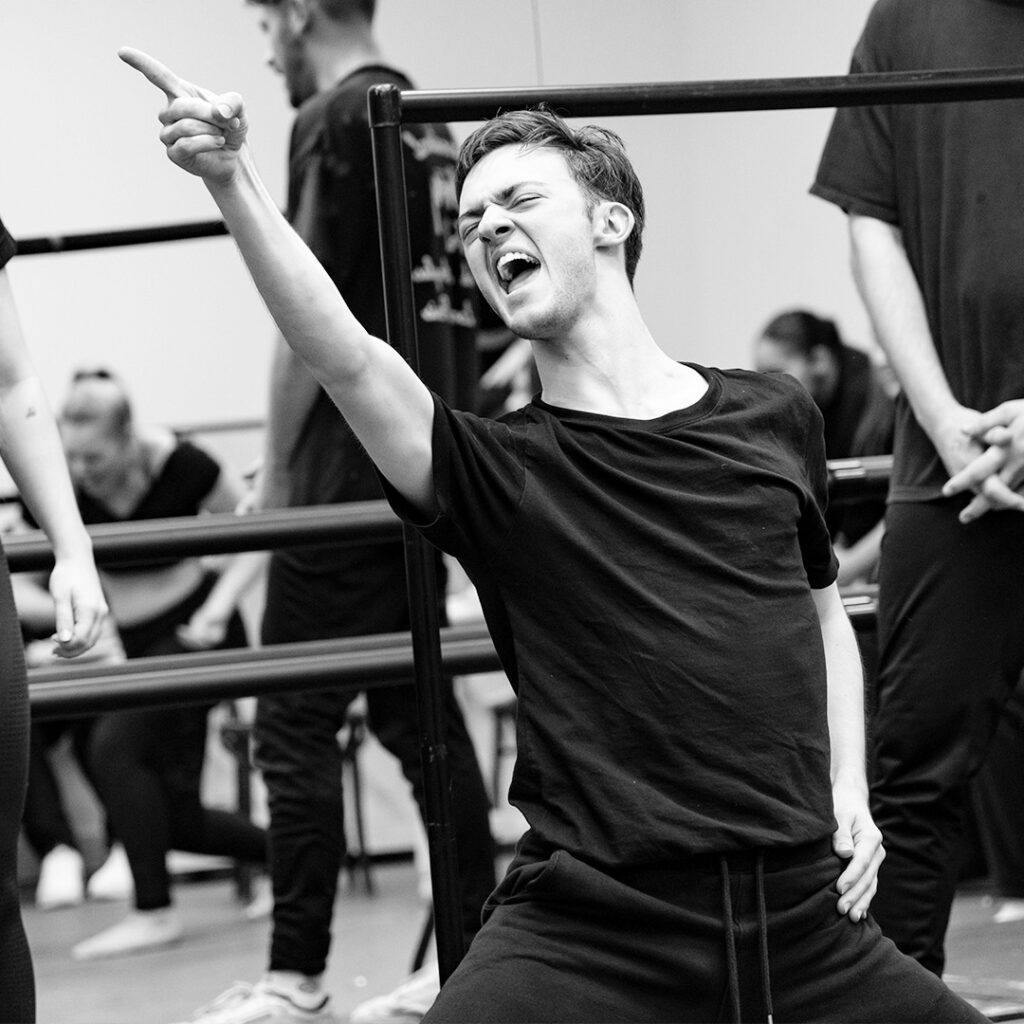
Conservatoire training is immersive, practical, and industry focused. It mirrors the rhythm of professional rehearsal and production.
Expect:
- Full-time schedules (often 8-6, with rehearsals on evenings/weekends during production periods)
- Technique-first learning in acting, movement, voice, and/or dance
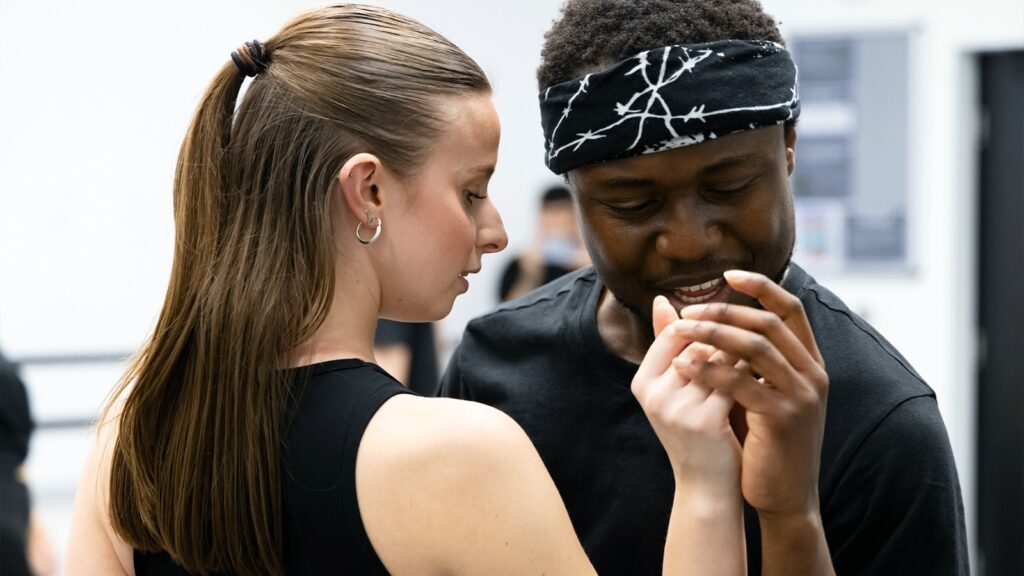
- Close mentorship from tutors who are also working practitioners
- Frequent performance and workshop opportunities
- Small cohorts and a tight-knit ensemble environment
Conservatoire training suits students who:
- Thrive in structured, hands-on, physically active environments
- Want daily technique classes
- Learn best by doing
- Feel excited by the idea of “living and breathing” their craft
It can be intense, but for many performers, that intensity is transformative.
How University Degrees Differ
Performance degrees at universities vary widely but generally include a blend of practical training and academic study. You’re likely to encounter:
- Seminars and written essays alongside studio practice
- Broader study: theatre history, theory, analysis, critical contexts
- More independent scheduling and personal pace
- Larger cohorts and a diverse range of interests in the room
This path suits students who:
- Want time and space to understand performance intellectually as well as practically
- Prefer a more flexible weekly schedule
- Want training alongside broader academic development
- Are still exploring where they want to sit in the industry
Industry Exposure and Networking
This is one of the biggest differences.
Conservatoires are deeply connected to the industry. You’ll encounter directors, choreographers, casting directors, agents, and visiting practitioners throughout your training. Performances often function as showcases.
Universities may offer industry links but typically have fewer structured pathways into professional work. There’s often more self-direction required, though this can be empowering if you’re good at self-managing.
Assessment and Feedback Styles
- Conservatoires: Feedback is continuous and direct. It often happens in the room, moment to moment, and prioritises your growth as a performer.
- Universities: Assessment tends to be more formal, with a clearer separation between practical and academic submissions.
Cost, Structure, and Lifestyle
Conservatoire training often requires emotional and schedule intensity; you’ll be in the studio most of the week, and social life tends to grow inside the cohort. University degrees offer more flexibility and variety, which can be great if you’re balancing training with work or other commitments.
So, Which One Is Right for You?
Consider:
- How do you learn best
- The pace of training you want
- The environment where you feel most motivated
- Whether you want daily technique or broader exploration
- Your long-term goals (professional stage/screen work vs teaching, directing, writing, research, etc.)
There is no single “right” route. There is only one that aligns with who you are, how you grow, and what kind of artist you want to become.
Where Italia Conti Sits
Italia Conti’s training is conservatoire in nature, but most of our three-year courses, such as our formation d'acteur and formation en comédie musicale, do culminate in a BA degree. Daily practical classes, production work, small ensembles, voice/movement training, and professional readiness are embedded throughout. Students learn in an environment that feels like the industry they’re preparing to enter.