





Breathing Exercises for Actors: Build Control, Calm and Vocal Strength
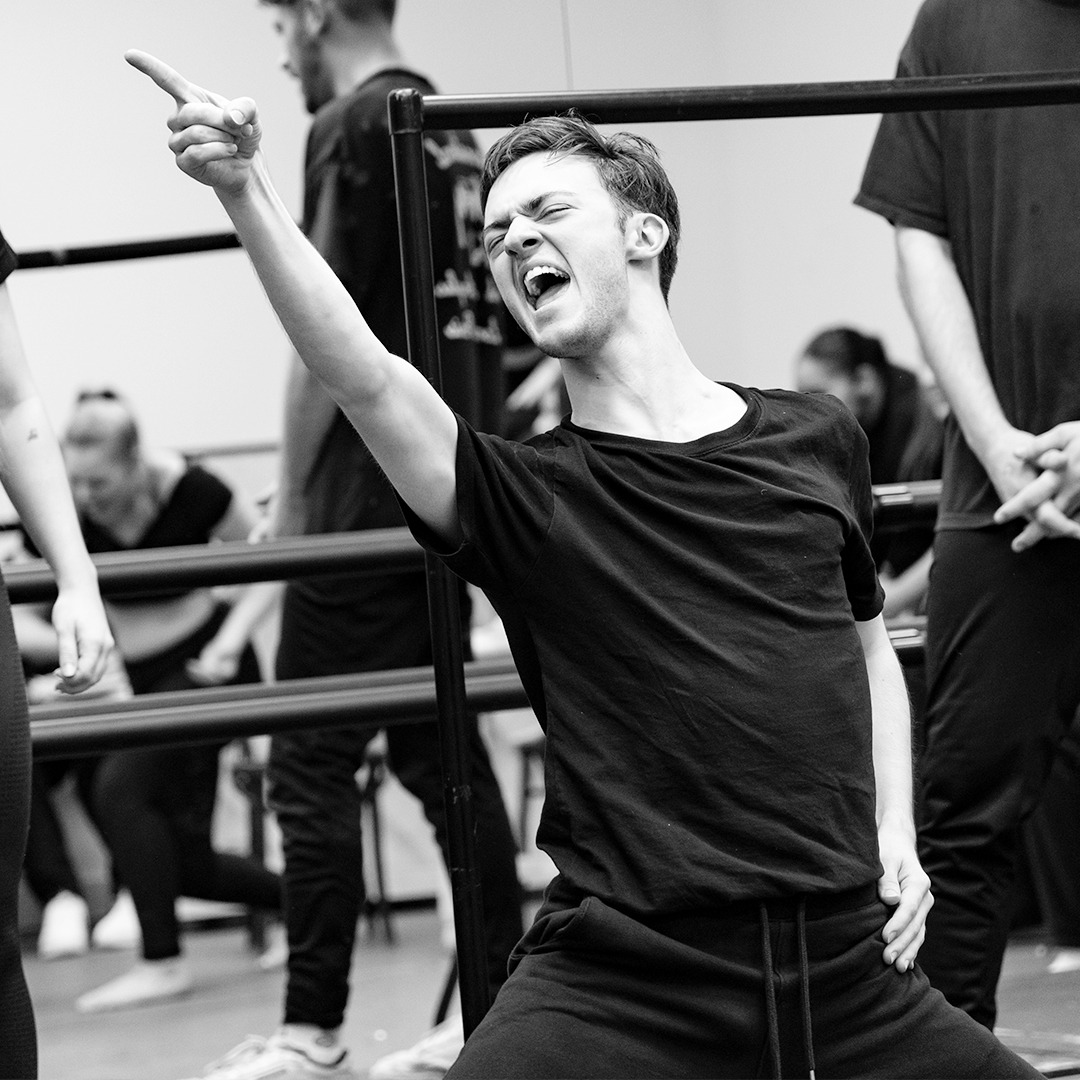
Breath is at the centre of an actor’s work. It supports the voice, influences movement and changes naturally with emotion. Learning how to use it effectively can help you speak with greater clarity, manage longer passages of text and remain physically grounded during performance.
Regular breathing exercises for actors can also be valuable before rehearsals and auditions, particularly when nerves cause breathing to become shallow or restricted.
The aim isn’t to learn one “correct” way to breathe. Instead, actors can develop greater awareness and control so that breath supports rather than restricts their performance.
Why Is Breath Important for Actors?
Speaking requires a controlled flow of air. When that airflow is restricted, actors may find themselves running out of breath halfway through a sentence, forcing their voice or struggling to project comfortably.
Breath is also closely connected to physical tension. Under pressure, you might raise your shoulders, tighten your jaw or begin breathing quickly into the upper chest. That can affect both your voice and your ability to remain present in a scene.
Breath training helps you recognise these patterns and develop more efficient habits.
Here are several exercises you can incorporate into a regular acting warm-up.
1. Become Aware of Your Natural Breathing
Before trying to change your breathing, spend a few minutes noticing what it already does.
Lie on your back or stand comfortably with your knees unlocked. Place your hands around your lower ribs and breathe normally.
Notice where movement happens as you inhale and exhale. Do your ribs expand? Does your abdomen move? Are your shoulders lifting unnecessarily?
Don’t deliberately take huge breaths. The purpose is simply to notice your existing breathing pattern without forcing it.
This awareness provides a useful starting point for the exercises that follow.
2. Practise Rib Expansion
Place your hands around the sides of your lower ribs. Inhale comfortably and notice the ribs expanding outwards beneath your hands. Allow them to gradually return as you exhale.
Repeat several times while keeping your shoulders and neck relaxed.
Rather than pulling in as much air as possible, concentrate on creating an easy, unrestricted breath. Over time, this can help you become more aware of the physical support available when speaking.
3. Try a Controlled 'Sss' Exhale
This simple exercise helps develop control over your outgoing breath.
Take a comfortable breath in and release it on a continuous “sss” sound. Try to keep the sound steady rather than allowing a large amount of air to escape immediately.
Repeat the exercise several times, gradually exploring longer exhales without creating tension.
Actors can then experiment with other sounds, such as “fff” or “vvv”, noticing how the breath changes.
The goal isn’t to achieve the longest possible exhale. Consistency and control are more useful than pushing yourself until you’re uncomfortable.
4. Add Voice to the Breath
Once you’ve explored controlled exhalation, begin introducing sound.
Take an easy breath and hum gently on the exhale. Allow the sound to continue for as long as it remains comfortable, without squeezing your throat to extend it.
You can then move from a hum into an open vowel such as “mmm-ah”.
This begins connecting breath with vocal sound and resonance, making it particularly useful as part of a wider vocal warm-up.
5. Use Breath with a Piece of Text
Eventually, breathing exercises need to connect with actual acting.
Choose a monologue or piece of text and read it aloud. Rather than automatically breathing at the end of every line, look at the character’s thoughts and punctuation.
Where does one thought end and another begin? Where would the character naturally need to breathe? Does an emotional change alter the rhythm of the speech?
Mark potential breath points before performing the text again.
The objective isn’t to rigidly follow your markings. Instead, you’re learning how breath, thought and language can work together.
6. Explore Breath and Emotion
Breathing changes naturally according to how we feel. Think about how differently someone might breathe when they’re frightened, exhausted, furious or completely relaxed.
Choose a simple line of dialogue and repeat it while imagining different circumstances. Allow the circumstances to influence your breathing rather than deliberately “performing” an emotion.
Notice how changes in breath affect your pace, voice and physical behaviour.
For actors, this can be particularly useful because breath isn’t only a technical tool. It can become part of characterisation and storytelling.
Using Breathing Exercises Before an Audition
Auditions can trigger a physical stress response even when you’re well prepared. Your breathing may become shallower, your heart rate can increase, and tension can appear in your shoulders, jaw or neck.
A short breathing warm-up can give you something practical to focus on before entering the room. Rather than trying to eliminate nerves, return your attention to an easy, steady breath. Combining this with gentle physical and vocal warm-ups is great audition prep.
Make Breath Work Part of Your Acting Practice
Breathing exercises are most useful when they become a regular part of training rather than something you only think about immediately before a performance.
Even a short routine can help you become more aware of tension, the connection between breath and voice, and understand how breathing responds to different characters and circumstances.
For actors, the ultimate goal isn’t to demonstrate impressive breath control. It’s to develop a body and voice that are free enough to respond to the demands of the performance. With consistent practice, breath can become something you trust instinctively, leaving more of your attention available for listening, responding and telling the story.